Superstitions are long-standing popular beliefs rooted in historical, regional, or religious circumstances which although rejected by modern science are followed by cultures around the world.
In this blog, we share a few such popular and some unheard superstitions from around the world:
1) Cantonese and the fear of number ‘4’ (tetraphobia)

Credits: https://commons.wikimedia.org/
Unlike the West, where the number 13 is associated with bad luck, Hongkongers consider numbers ‘4’, ’14’, and ’24’ to be unlucky. In Cantonese, the number ‘4’ is associated with death, the number ’14’ sounds like ‘must die’, and the number 24 sounds similar to ‘easy to die’.
Believers go to great lengths to avoid these numbers in phone numbers, house numbers, addresses, bus numbers, business cards, IDs, and even floors.
Do you know why Chinese smartphone maker, OnePlus has model names in the series 3, 3T, and 5, avoiding the number 4? Well, now you do!
2) Peepal trees and the myths in India

Credits: https://commons.wikimedia.org/
Peepal or the Bodhi tree is considered sacred by many, especially among people following Hinduism, Buddhism, and Jainism.
It was a peepal tree where Lord Buddha is said to have attained enlightenment.
The tree is large and evergreen, sometimes growing up to 100 feet in height (30 meters), and the diameter of a fully grown tree may reach 10 feet (3 meters). The trees have a long lifespan ranging between 900 to 1500 years.
There are several myths about the Peepal tree in India. It is forbidden to plant the tree anywhere in the house. It is also considered that cutting the tree brings negativity and bad luck to a family, and causes pain to the ancestors as it is believed to be the abode of Lord Brahma (the Hindu Creator God).
Sitting or resting under a Peepal tree during the night is discouraged as it is believed that ghosts reside under the tree at night. Those who did try to do so have complained of being hallucinated and seeing evil spirits.
3) Picking names and purchasing things for newborns only after their birth

In some cultures, it is believed that buying, opening, or receiving items for a newborn before the baby’s arrival attracts evil spirits and brings misfortune and even miscarriage.
For the same reason, it is considered inauspicious to think of names for the baby before birth.
4) Don’t spill salt or olive oil in Italy

Italians love olive oil and salt dressing in their food.
In ancient times, oil and salt were expensive items to buy, and only a few families could afford them. These items are still associated with money and good fortune and are believed that if salt or oil drop even inadvertently, it could bring misfortune and loss of money to the family.
If this happens, one needs to quickly pick up the salt grains and throw them behind the shoulders three times with the left hand to lift the jinx.
5) When in France, never place a bread upside-down!
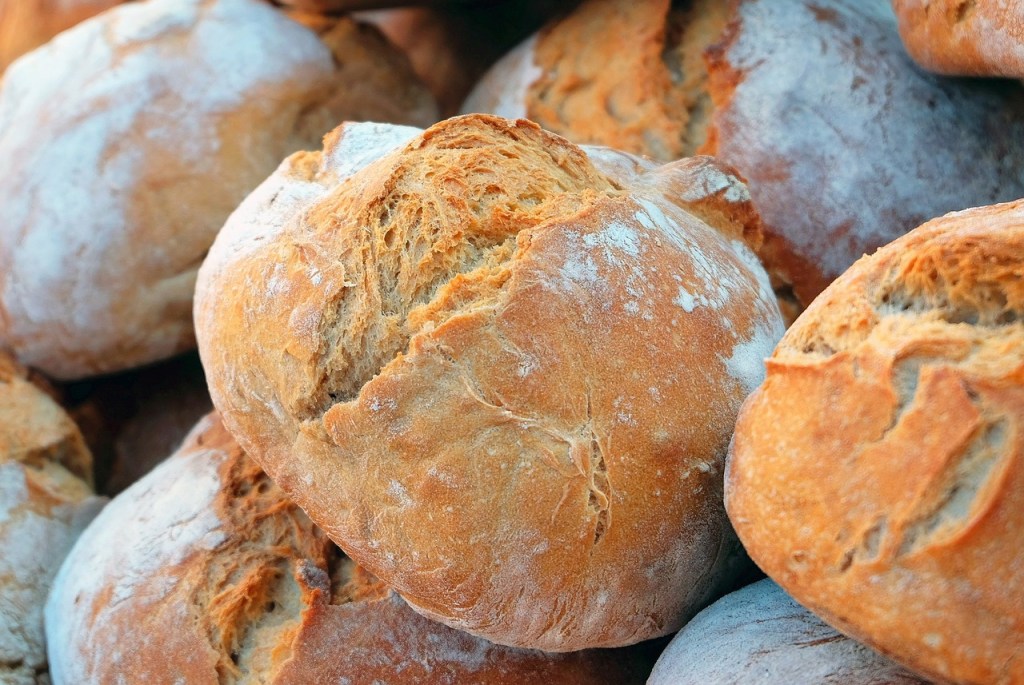
The French relate laying bread upside down with bad luck! The explanation for this superstition dates back to medieval times.
On a day of execution, the executioner did not have time to pick bread for himself, and a baker who reserved a loaf for the executioner placed it upside down to distinguish it from the rest of the bread. Customers would avoid touching the bread in the fear of catching an evil eye.
The tradition stayed back and is practiced even today and is applicable even for a piece of baguette.
6) Black cats bring bad luck or good luck?
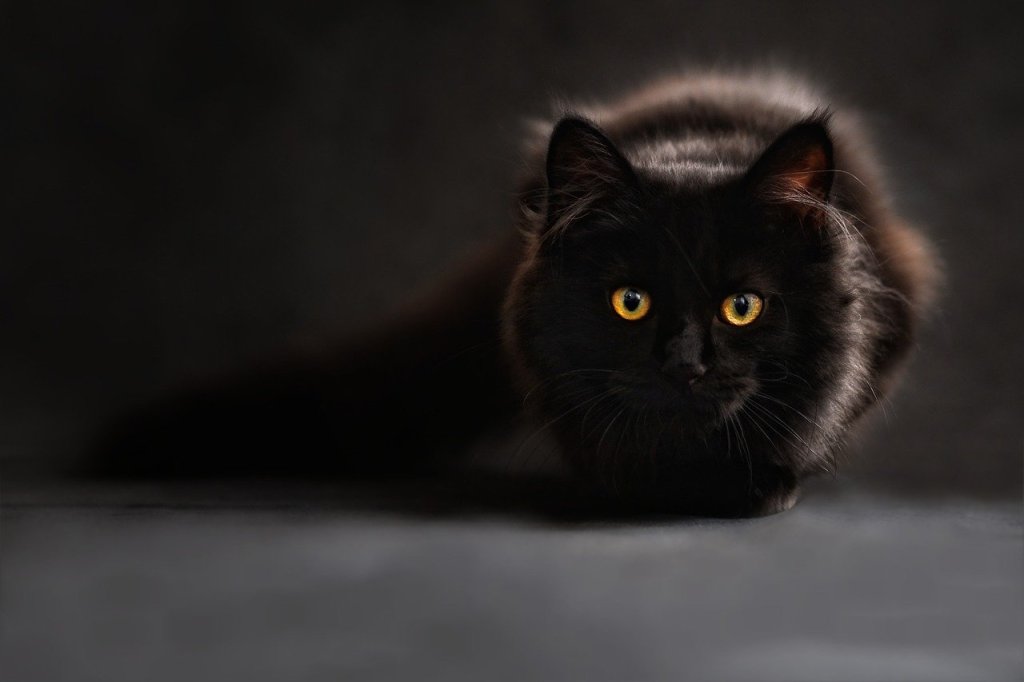
Contrary to the popular belief of associating black cats with negativity and bad luck, many cultures consider that black cats bring good luck.
Owning a black cat or even spotting one is considered to bring luck in some Asian countries, the UK, Scotland, and even France.
Some cultures even consider dreaming of a black cat to be auspicious.
7) Killing a spider brings bad luck in Finland

Spiders are regarded as mystical creatures around the world.
While some cultures connect spiders to witch’s evil companion; many European cultures consider spiders a symbol of luck, happiness, wealth, and all things good. Spiders entering the house are an indication of wealth coming into the house, bringing good luck, and joy. In countries like Finland, killing one is considered extremely bad.
8) Stepping on or over books is a big no-no!

In countries such as Nepal and India that follow Hinduism, books are worshipped as a form of Goddess Saraswati, the goddess of learning and knowledge.
Whenever someone steps over or on a book by mistake, they bow their heads and seek forgiveness. Not doing so shows their disrespect for the goddess, and, are said to lose their knowledge.
9) Bird pooping can bring good luck!
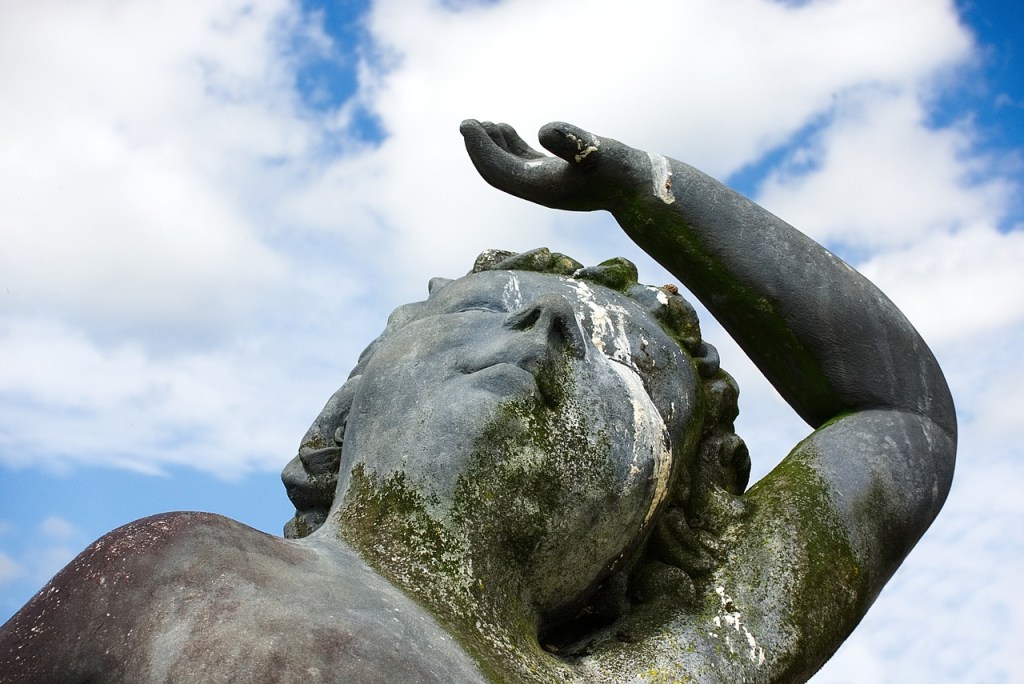
There are several superstitions around bird poops. While talking about it might gross you out, several cultures consider it to be lucky!
It is said that if a bird defecates on your head, it brings you good luck, happiness, and good fortune.
10) Superstitions around whistling

Whistling is related to superstitions across many cultures- whistling indoors is considered to bring bad luck and poverty.
Whistling in the dark is considered a summon call for the devil and an invitation for evil spirits. In Japan, whistling in the dark is believed to be a call for snakes to come out.
What are some superstitions followed in your part of the world? Share your thoughts in the comments below.


Leave a comment